At a glance
Quick answers for planning a Burundi trip
- When is the dry season in Burundi?
- Burundi's National Tourism Office describes June to September as the long dry season, with a shorter dry period around mid-December to mid-February.
- What is Burundi's main international airport?
- Melchior Ndadaye International Airport (BJM) in Bujumbura is Burundi's main international gateway and is about 11 km from the city centre.
- How should first-time visitors get around Burundi?
- For an airport arrival or time-sensitive route, pre-arranged transport with a confirmed driver, vehicle, route and fare removes the most uncertainty. Public and shared transport also operate, but schedules and conditions should be reconfirmed locally.
- Do travelers need a visa for Burundi?
- Visa and entry requirements depend on nationality and can change. Confirm them with a Burundian embassy or official immigration source before booking travel.
- What should travelers check before visiting Burundi?
- Confirm entry rules, health documentation, accommodation, airport pickup and any time-sensitive site arrangements shortly before departure.
Burundi rewards preparation. It is compact enough to combine Lake Tanganyika, Bujumbura, Gitega and the green highlands in one trip, but transport and opening arrangements are easier when made before you set out. This guide covers the practical decisions most first-time visitors need to make.
Before you book a trip to Burundi
Check passport, visa and vaccination requirements for your nationality and travel dates. Requirements can change, so a blog should never be your final authority. Start with Burundi's immigration service, Ministry of Foreign Affairs or the nearest Burundian embassy or consulate.
Discuss personal health needs with a qualified travel-health professional in advance. The World Health Organization's Burundi page provides country health context; use Burundi's entry authorities and a clinician for the documentation and advice that apply to you.
Save offline copies of your accommodation address, onward booking and key contacts. Tell your hotel or driver when you expect to arrive, especially for an evening flight. If your plans include a park, border crossing or remote province, confirm access and local conditions shortly before departure rather than relying on an old itinerary.
When is the best time to visit Burundi?
Burundi's elevation creates noticeable climate differences between warm Bujumbura on Lake Tanganyika and the cooler central plateau. The national tourism office describes June to September as the long dry season, with shorter dry weather around mid-December to mid-February. See its geographic and seasonal overview before choosing dates.
For road-based sightseeing, dry months usually make the simplest itinerary. Rainy periods can still be rewarding and green, but allow more time between stops and ask locally about road conditions. Pack for both heat by the lake and cooler air at elevation.
Arriving at Bujumbura airport
Most international visitors arrive at Melchior Ndadaye International Airport (BJM). Keep your hotel name, street or map pin available offline; a property name alone may not be enough to distinguish similar places. If you pre-book an airport transfer in Bujumbura, share the full flight number—not only the arrival time—so the driver can monitor the correct flight.
Agree on the transport arrangement before leaving the arrivals area. With BujaShuttle, the fare is displayed before online payment, and the driver meets booked passengers at arrivals. Keep the booking reference and local phone number accessible after landing.
Money, phones and getting around
Carry a combination of payment options and do not assume every small business accepts international cards. Ask your bank about overseas use before departure. For mobile service, an unlocked phone and local SIM can make directions and coordination much easier; registration requirements and packages should be confirmed at an authorized shop. Our Bujumbura concierge service can help with the first practical errands after arrival.
In Bujumbura, visitors use private cars, taxis and local public transport. For time-sensitive meetings, airport travel or a day with several stops, arranging one known driver is usually the simplest option. Longer routes require more planning because journey times, road surfaces and fuel availability can vary. Read our detailed guide to getting around Burundi before choosing a vehicle.
Places to include in a Burundi itinerary
- Bujumbura and Lake Tanganyika: begin with the lakefront, city neighbourhoods and a relaxed first day after the flight.
- Rusizi: the national tourism office places the reserve close to Bujumbura and highlights its birdlife and hippos; confirm access and arrange an authorized local guide.
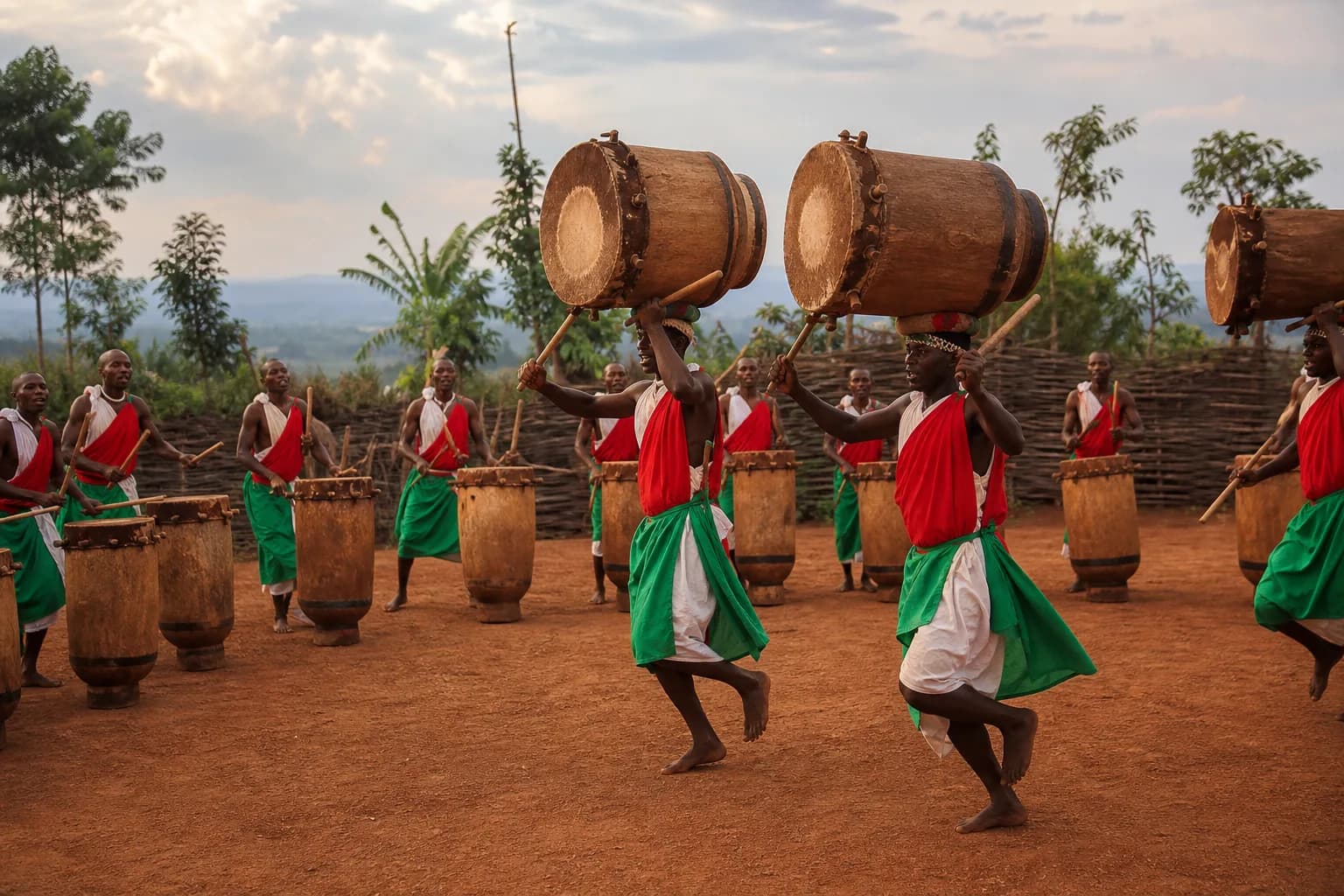
- Gitega and Gishora: combine Burundi's political capital with the royal drum tradition. UNESCO inscribed the ritual dance of the royal drum on its Representative List in 2014.
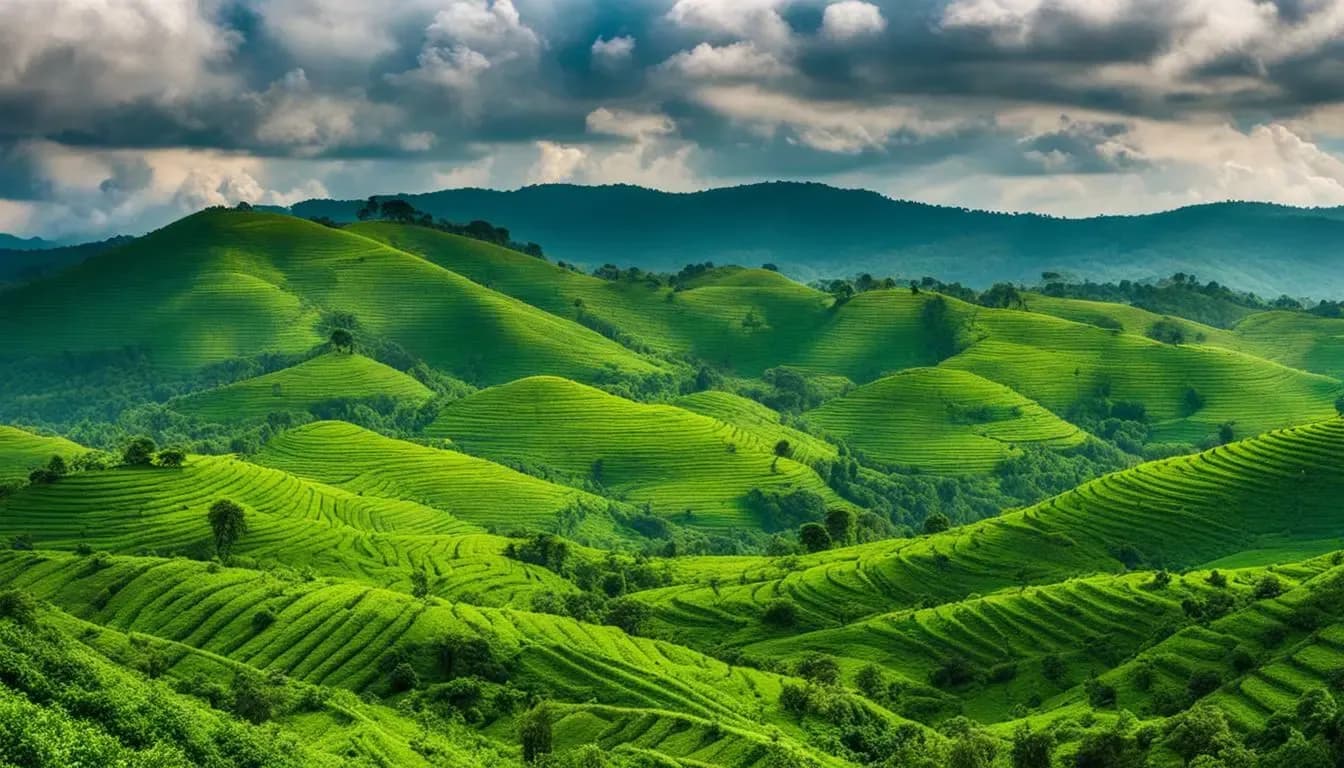
- Tea country and waterfalls: Teza's plantations and Karera Waterfalls show a different landscape from the lakeshore. Plan them as a long day or an overnight route, not a quick city detour.
The official Burundi tourism portal is a useful starting point for parks, museums and cultural sites. Opening arrangements can be informal, so contact sites or a local operator before driving several hours. Our guide to the best of Bujumbura gives more detail for the first part of a trip.
A simple first-time Burundi itinerary
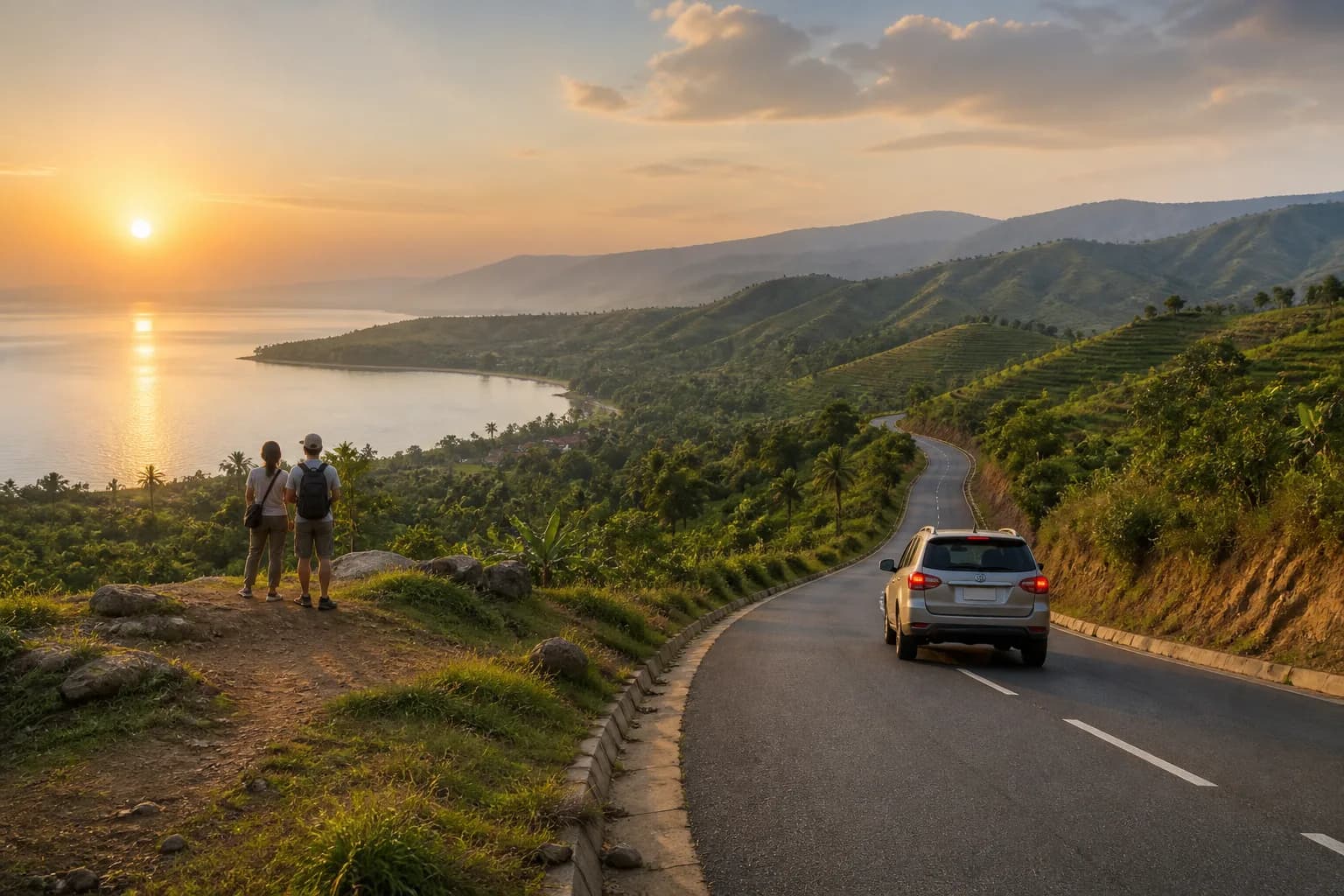
- Day 1 — arrive and settle in: airport pickup, hotel check-in, SIM or essentials, then a quiet Lake Tanganyika sunset if timing allows.
- Day 2 — Bujumbura: choose two or three city stops and leave space for lunch rather than racing through a checklist.
- Day 3 — nearby nature: arrange a guided Rusizi visit or another currently accessible site close to the city.
- Days 4–5 — Gitega: travel inland, visit cultural sites and arrange a Gishora performance in advance.
- Days 6–7 — highlands or south: select one longer route based on current road and access advice, then return to Bujumbura with a buffer before departure.
Who wrote this guide?
BujaShuttle publishes this guide from Bujumbura using the company's transport-service context and the primary sources linked throughout the article. Learn more about the business and our research and corrections policy, or message us when a current detail could affect your plans.
Sources and review method
We checked the National Tourism Office of Burundi for seasons, attractions and transport; UNESCO for the royal-drum inscription; Burundi's Ministry of Foreign Affairs for official visa resources; and WHO for country health context. Sources were last reviewed on 10 August 2026. We link to the source beside each material claim so readers can verify whether it has changed.